

 800-222-7600


Recent Posts
The Hidden Costs of In-House Hospital Linen Management in Pittsburgh
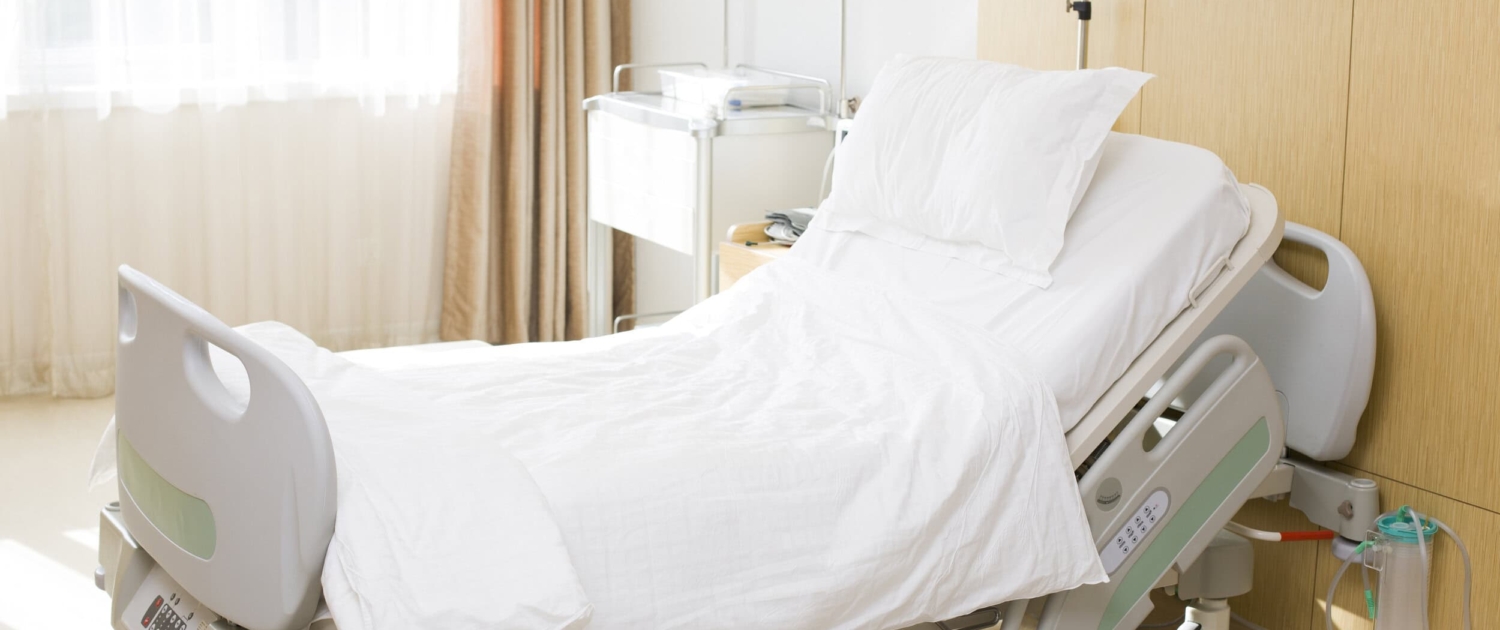
Managing hospital linen in-house may look cost-effective at first, but hidden expenses often outweigh the benefits.
The Real Price of In-House Linen Management
When hospital administrators in Pittsburgh try to run linen operations in-house, hidden costs often erode margins. They also can compromise quality and distract from core patient care. The “hospital linen” supply chain may seem straightforward — wash, fold, deliver — but the reality is far more complex. CleanCare aims to expose those pitfalls and offer a more strategic alternative.
1. Capital and Depreciation of Equipment
Buying washers, dryers, folding machines, sorting conveyors, and delivery trucks demands significant up-front capital. These assets depreciate, require regular maintenance, and may even become obsolete. Unexpected repair or replacement costs hit your budget hard. For many hospitals, the return on that investment falls short once you factor in staff, utilities, and downtime.
2. Staffing and Labor Overheads
You’ll need dedicated laundry technicians, sorting staff, quality control inspectors, delivery drivers, and support staff. Payroll, overtime, benefits, training, and turnover all add up. Recruiting and retaining skilled laundry personnel in Pittsburgh’s competitive job market can be a burden. If staff absenteeism spikes or turnover rises, operations stall, and your “hospital linen” supply falters.
3. Regulatory Compliance and Certification Risks
Healthcare linen processing must comply with strict infection control, hygiene, and sanitation standards. A lapse in protocol can lead to cross-contamination or regulatory fines. In-house setups often lack redundancy in controls and auditing. Outsourced specialists like CleanCare bring accredited processes, audits, and certification experience that internal teams rarely match.
4. Utility and Energy Costs
Industrial washers and dryers consume huge amounts of electricity, gas, water, and chemicals. In Pittsburgh, fluctuating utility rates mean your projections can quickly become underestimates. Hidden surcharges, peak demand fees, and waste water treatment charges all bleed budget. Every additional load rounds up your utility bill.
5. Inefficient Workflow and Waste
Without decades of process optimization, an in-house linen operation generally wastes more throughput time. It suffers more misroutes or double handling and sees higher linen shrinkage or loss. Lost linens, miscounts, rewash, and shrinkage quietly inflate your per-unit cost well beyond what you anticipated.
6. Transportation and Logistics Complexity
You must manage vehicles that collect soiled linen, deliver clean batches, handle reverse logistics, and maintain fleet sanitation protocols. Any disruption — vehicle breakdowns, route delays, driver shortages — can break your service rhythm. This internal logistical burden distracts administrators from core hospital operations.
7. Hidden Opportunity Cost
Every dollar, hour, and management focus spent on linen operations detracts from patient care, clinical processes, or strategic growth. Should hospital administrators ask: Is our internal linen operation the best use of leadership bandwidth?
At CleanCare, we understand these pain points because we’ve served hospitals and healthcare institutions across western Pennsylvania for decades. We maintain a certified, six-step processing system, industrial scale throughput, a modern delivery fleet, and rigorous quality control.
Contact CleanCare Today
When you outsource hospital linen to CleanCare, you convert volatile, unpredictable costs into a stable, predictable service agreement. You avoid capital outlays, staffing headaches, regulatory risk, and utility volatility. You reclaim administrative focus for what truly matters — patient outcomes and operational excellence. Contact us today to learn more about what we can do for you!